
Make the most of your central Texas summer garden.
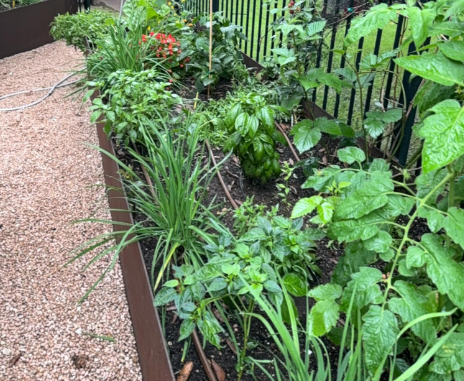
While half of the country celebrates May as the very beginning of summer fun outside, us Texans have been outside already for 3 months! Austin area gardeners might see May as the peak - the tomatoes and pepper harvests are pouring in, the 90+ degree days are just starting, and our neighbors are officially hiding when we come around with another half dozen zucchini to give away. The feelings of abundance are maxing out, and the dread of summer heat and the end of gardening might start creeping in.
Texas’ growing seasons aren’t what you think.
Rather than spring, summer, fall, winter, I like to tell clients that our growing seasons in Austin, Texas are more like Warm #1, Hot, Warm #2, Cool. While we never really have a Cold season with freezing soil, we also have this Hot season that starts around the end of May. It’s a transition time where we should aim to prepare plants and soil for lower stress and continued production. Even if you are the type to travel or stay indoors during the hottest of our summer, the way you prepare your garden now will impact how well it does in the fall (Warm season #2) - which is our favorite growing season!
Why summer care is so important:
1) Your soil is a living thing, and it’s life and health effects your plants.
It takes time to build the life in your soil, and unfortunately, not a lot of time to ruin it. One summer of poor soil care can destroy years of health and hard work. The life in your soil needs moisture and nutrients to make it through our brutal summers. Kitchen garden plants such as peppers, onions, lettuce, tomatoes; they are all very needy plants that cannot survive without good soil. Your garden soil is the building block of your entire garden’s health and production. Fungal nettings and microand macro organisms take time to establish a community, and are critical for the results we all want.
2) 95 degree heat is no joke.
Most of your warm season plants do not do well when it gets over 90 degrees. Most of our pollinators, especially the bees, are not active in this heat. Plants that thrived in May’s 92 degrees are almost unrecognizable in July’s 102. The other issue Texas organic gardeners face is the overnight lows. Unfortunately, with our overnight lows not getting lower than 80-85 for several weeks, our plants are not able to recover. Tomatoes and peppers will stop producing flowers (which means no fruit) when most of our day’s hours are above 90. Since we can expect weather like this for most of June, all of July, and half of August, that’s a long time for your plants to struggle. When plants struggle and do not get pollinators, they will not produce as well and will put out stress hormones that attract pests. Pests are nature’s way of eliminating sick plants. If we don’t provide extra care during this 6-8 week peak period of the Hot season, we will see more spider mites, aphids and other pests eating our plants and spreading disease.
3) Extend your spring growing season
Proper summer care means your get more tomatoes, squash, and peppers for longer in the year. Many of these plants can continue to grow and produce into October or November or longer. I’ve even made Christmas Salsa with fresh harvested jalapenos and tomatoes!
4) Lay the right foundation for a better fall growing season
It’s OK to be ready for the end of spring season. Life should be full of summer travel, time with kids and grandkids out of school, and maybe even just staying indoors and avoiding the July heat! Gardening is a time consuming hobby, and even serious gardeners such as yourself can sometimes need a break. Fall is our absolute favorite growing season we look forward to starting around early September. If you want a garden and soil system that is healthy, organic, and ready to grow those first carrot and lettuce seeds on day 1 when you ready to plant, you will need to ensure it’s summer care is done right.
Consider these 5 techniques for proper summer garden care:
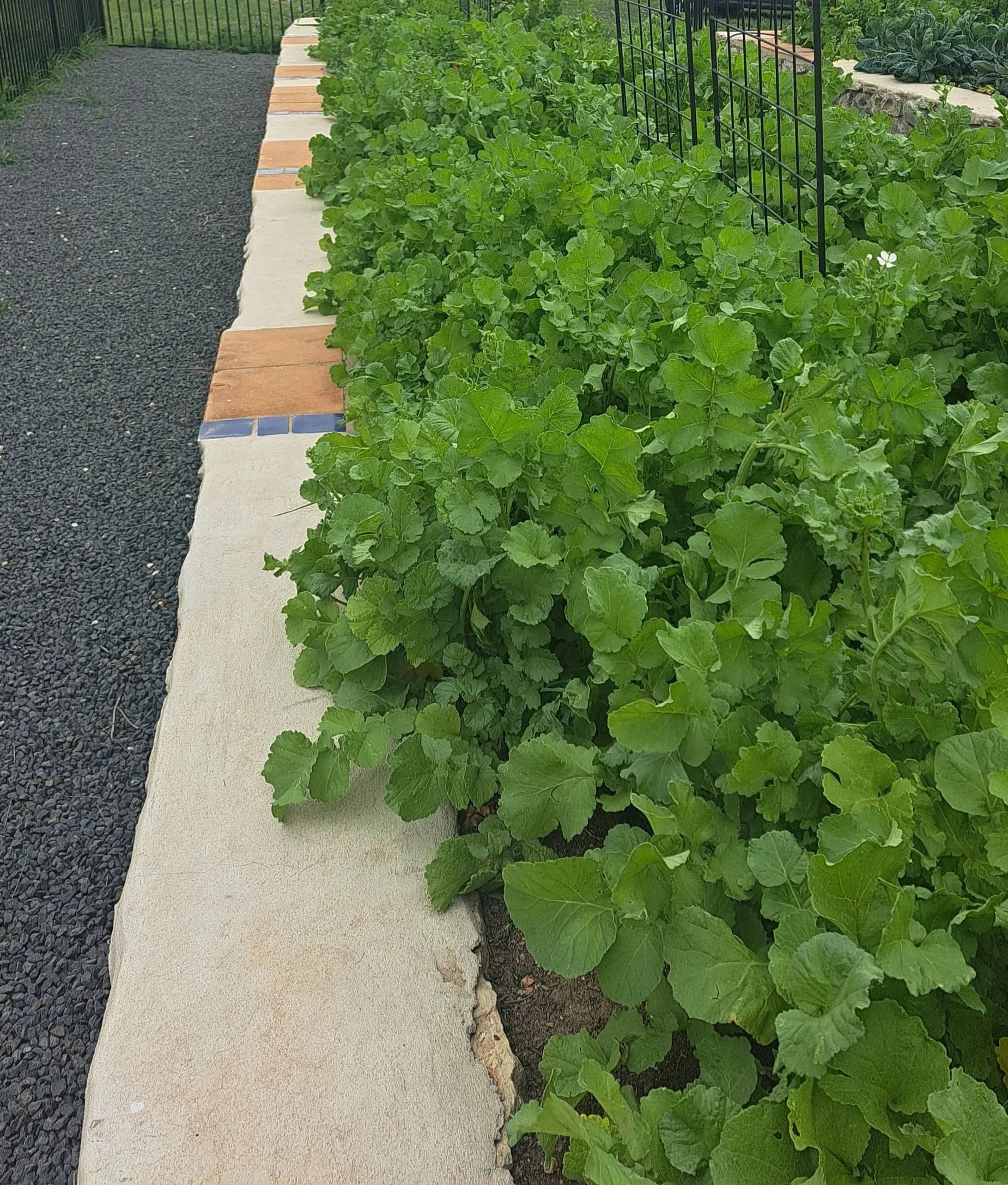
1) Cover Crop:
You’ll notice that any sunny spot anywhere in the world that can grow plants, does. Nature finds a way and knows that roots in the ground and shade from leaves protects the soil for future growth down the line. If you are traveling, finished with your spring harvests, and want to take a break from gardening of 2 months or more, consider seeding in a cover crop and keeping it minimally irrigated until the next growing season.
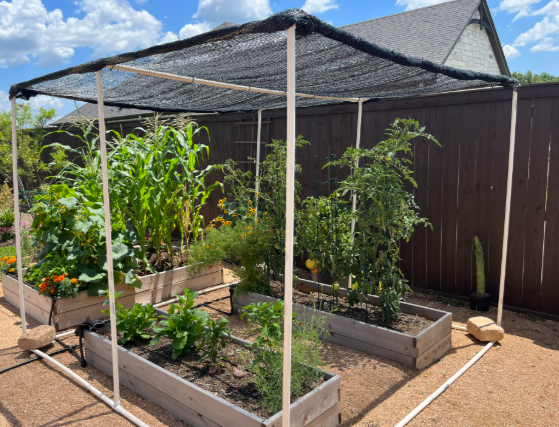
2) Sun Protection:
To extend your growing season and avoid the pests and plant stress that comes with our 95 degree heat, consider building a shade structure system over your garden plants. This system would include a custom design for your beds and shade cloth fabric that gives the plants the relief they need and also enables continued harvesting with ease. This solution is for the gardener who has a garden getting more than 9 hours of direct sun and wants to maximize garden growth and production all summer long.
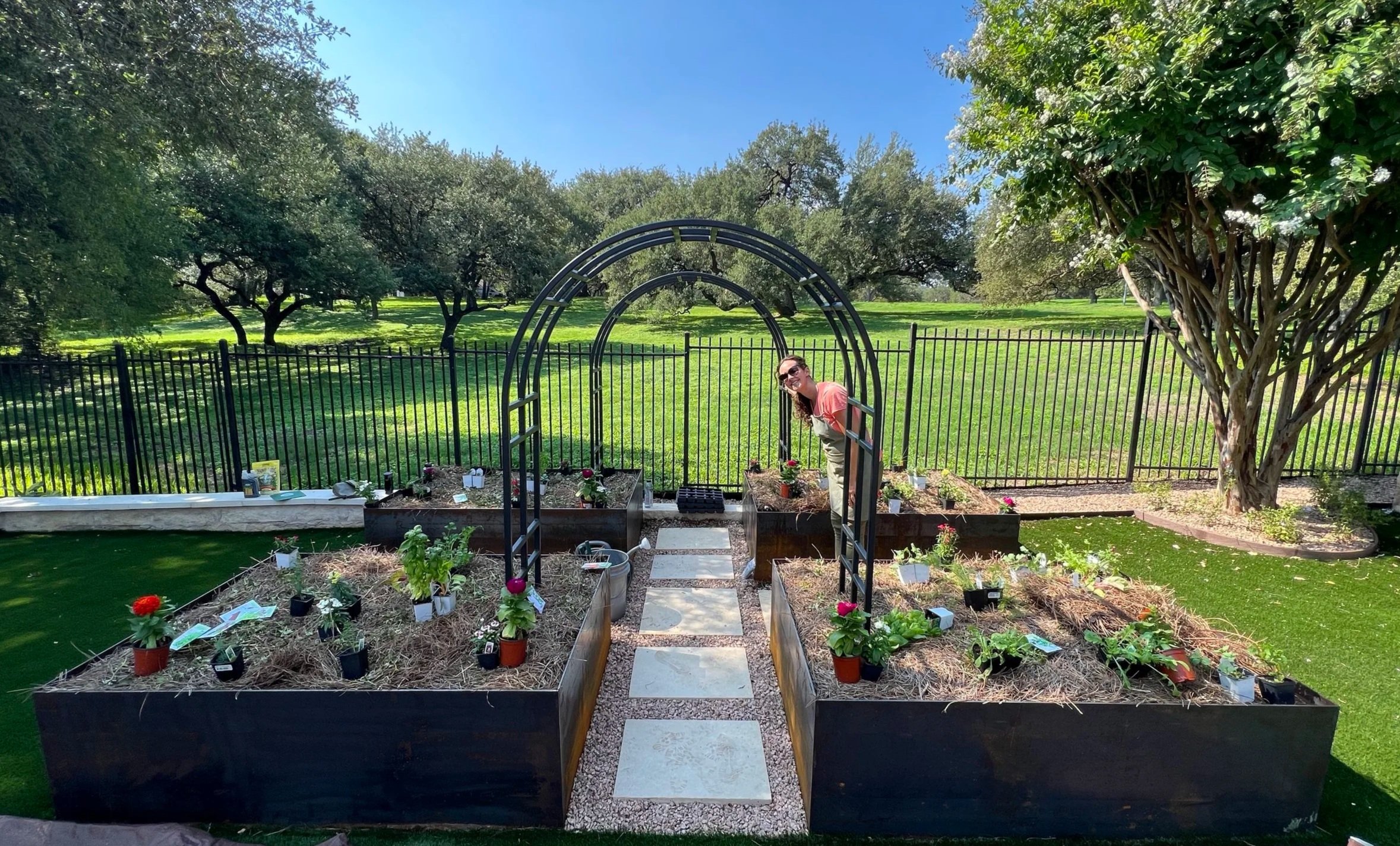
3) Specialty Mulch:
Our favorite soil-saving technique is to keep the gardens filled with plants. But at some point it gets too hot to plant, and this is where mulch comes in. The type of mulch matters. Wood chip or shredded wood mulch of any kind should not be used. Pine straw mulch is our favorite for use in vegetable gardens. Pine straw let’s water in well, adds a touch of acidity as it breaks down (which your plants will love), and takes a long time to break down, so it doesn’t need to be added very often.
4) Vacation Care:
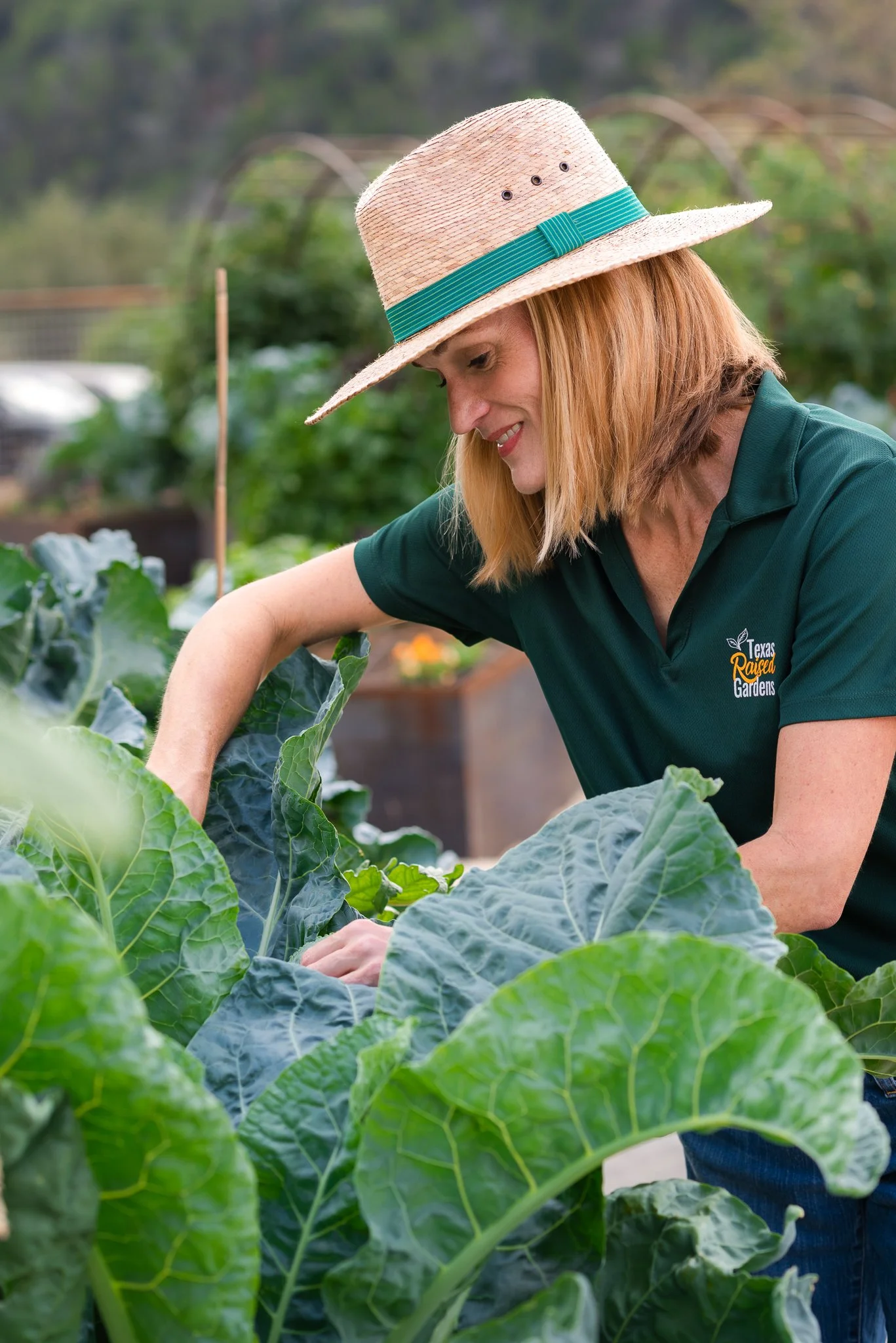
If you aren’t ready to remove your spring garden and will be away for more than 1 week, consider hiring a professional garden maintenance company to provide full service care on a weekly basis for the time you are away. This avoids all unhappy surprises and allows you to return from your break with a healthy garden and lots of produce ready to be harvested.
5) Weekly nutrient applications:
Whether you are caring for your garden yourself, or hiring a company, weekly applications of trace minerals and certain specialty amendments can help strengthen root systems and encourage them to branch more and grow deeply. Our favorite is a natural liquid seaweed applications. Not only does liquid seaweed applied to the leaves and soil deter a lot of chewing pets, it improves root health, improves plant immune systems to make them tolerate the heat more, and reduces their stress to make them less attractive to pests. Seaweed also improves the plants ability to absorb and use the nutrients in the soil, so you get more bang for the buck on your fertilizer applications!
Your garden needs you this summer! If you’re in the Austin area, we’re here to help you with all of it!